

Live data from NASA, NOAA, CelesTrak & JPL

See beyond the sky

STELLUN brings live satellite tracking, space weather, near-Earth object watch, and deep-space mission data into one dashboard built for students, researchers, and anyone who wants the real numbers, not a simulation.

-- : -- : -- UTC
9Live data sources
11Tools in one platform
--Next launch
--Near-Earth objects tracked this week
Our story

Built because the real numbers were always somewhere else

Space is the most documented frontier in human history, and almost none of that record reaches the people who are curious about it. The orbit of a satellite lives in one agency feed, the solar wind speed in another, the next launch window in a third, and the asteroid passing Earth tomorrow in a database most people will never open. STELLUN was built to close that gap.

Every figure here comes from a named source or a documented formula: NASA, NOAA, CelesTrak, JPL Horizons, The Space Devs. Nothing is invented, nothing is smoothed over, and when a source cannot be reached the page says so and shows the last verified reading with its timestamp. That honesty is the whole product.

The purpose is simple. A student should be able to watch the station pass overhead, a researcher should be able to pull a clean orbital element set, and anyone at all should be able to look up and know exactly what is above them tonight. One platform, real data, no guesswork.

NASA · Daily

Astronomy Picture of the Day

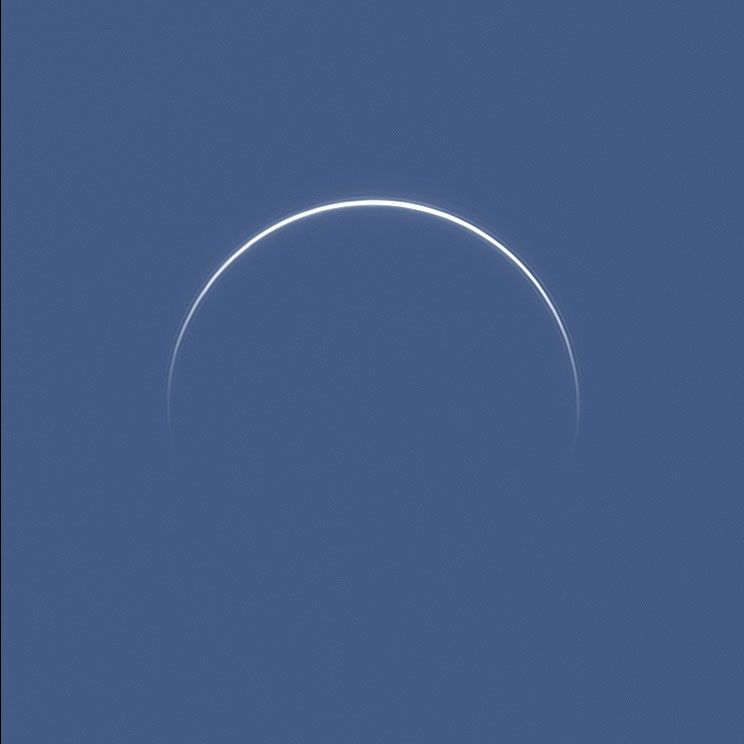
The Horns of Venus

The Horns of Venus

2026-10-29

Explanation: That's no moon. But you could be forgiven for thinking it was a crescent Moon in the sky. It is a lesser known fact that Venus also has phases . (What about other planets? ) The featured image shows Venus seen almost directly between the Sun and the Earth. This happens once every year and a half , and it is like the alignment that happens every month during a new Moon. But the new Moon is dark, while Venus' backlit atmosphere refracts and scatters the sunlight, creating a glowing crescent arc that extends beyond 180 degrees: the tips of this arc are called the "horns". The crescent can be seen with a small telescope or binoculars during twilight, but those with exceptionally acute eyesight may be able to see it with the unaided eye. Ancient Babylonian astronomers may have been the first to study Venus' brightness changes, which are related to its phases . Many other cultures have similar astronomical records, including the oldest surviving Maya book . Tomorrow's picture: a cosmic haunting

Credit: Thierry Legault
Local conditions

Sky conditions near you

Current temperature and cloud cover for observing plans—not a full multi-day forecast. Location stays on your device until you allow it.

Updated daily

Space news & launches

Article

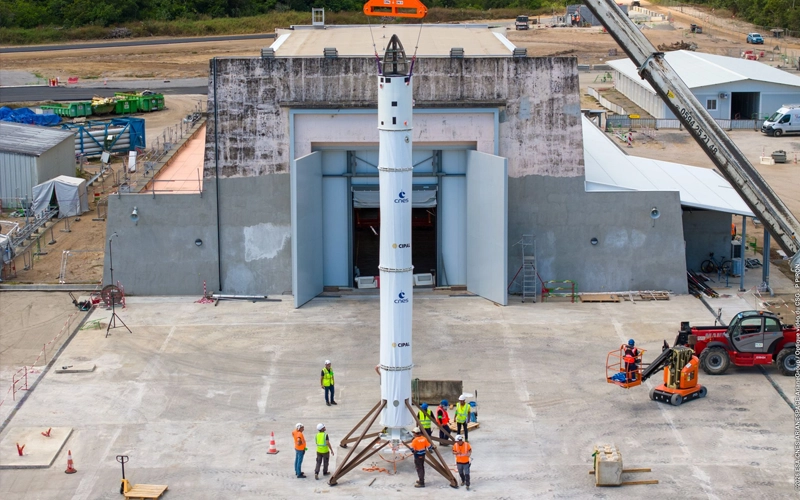
Ground Qualification Testing Begins for Callisto Reusable Rocket Demonstrator

The French space agency CNES has announced the start of ground qualification testing for the Callisto reusable rocket demonstrator at the Gu

European Spaceflight · 3h ago
Article

November’s Night Sky Notes: Light-Day Away

Twin Travelers In 1977, NASA launched twin spacecraft Voyager 1 and 2, taking advantage of a once-every-175-year planetary alignment of the

NASA · 4h ago
Article

Earth from Space: Champi’s eerie eye

From the ESA Blogs.

ESA · 5h ago
Article

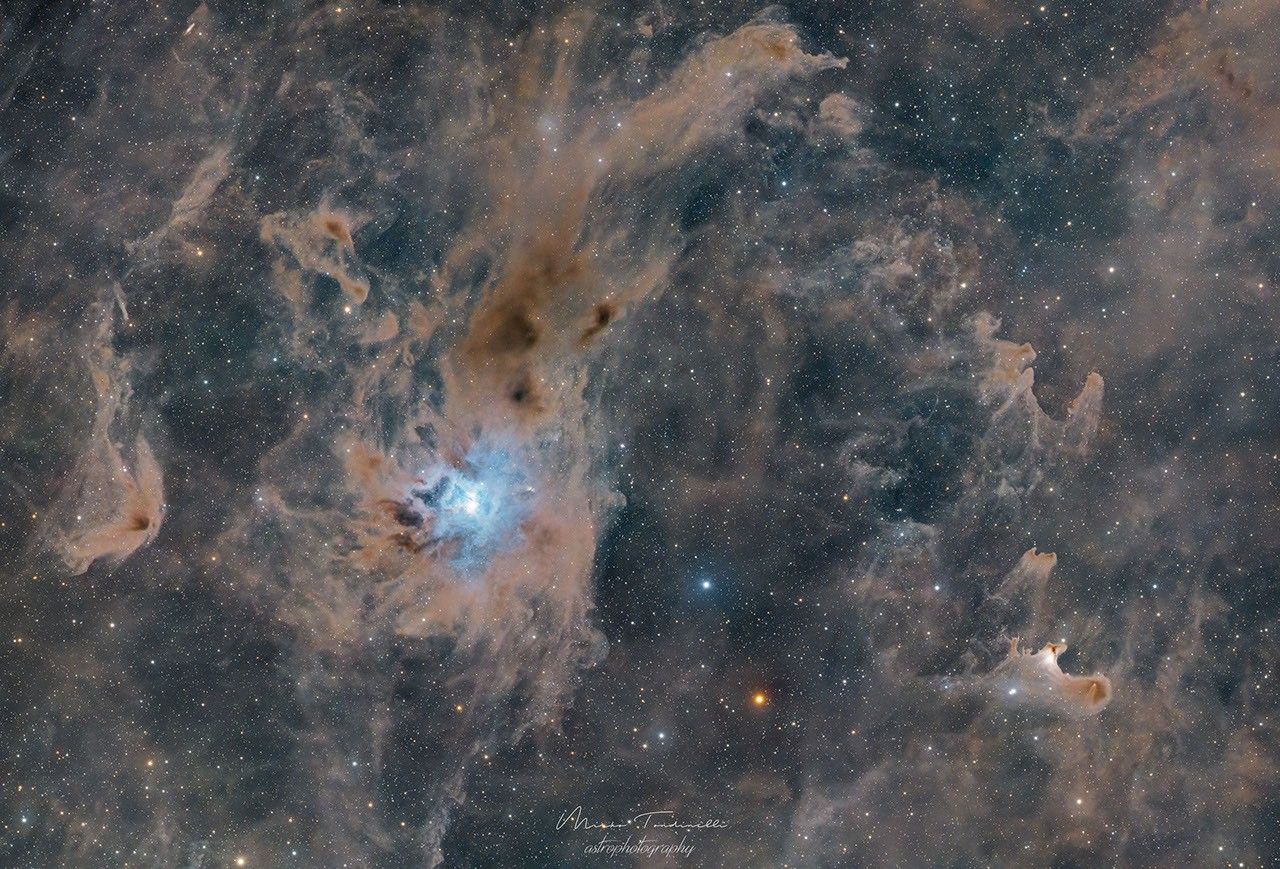
APOD: 2026 October 30 – Haunting the Cepheus Flare

APOD Science APOD APOD: 2026 October 30 –… Today’s APOD Archive Submissions Index Search Calendar RSS Education About Discuss APOD Astronomy

NASA · 10h ago
Article

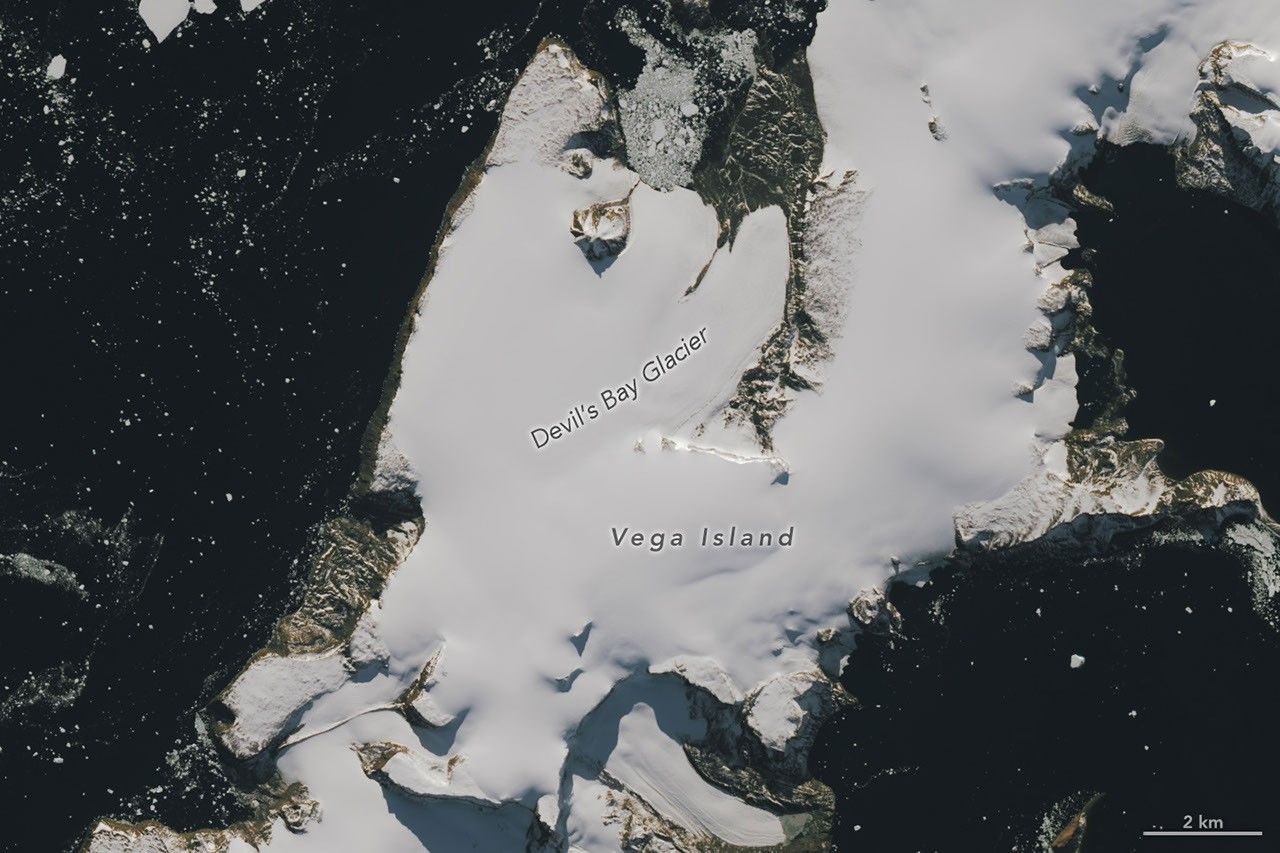
Vega Island Frozen in Fright

The sight of an icy skull-like visage on the Antarctic island could make one’s blood run cold.

NASA · 10h ago
Article

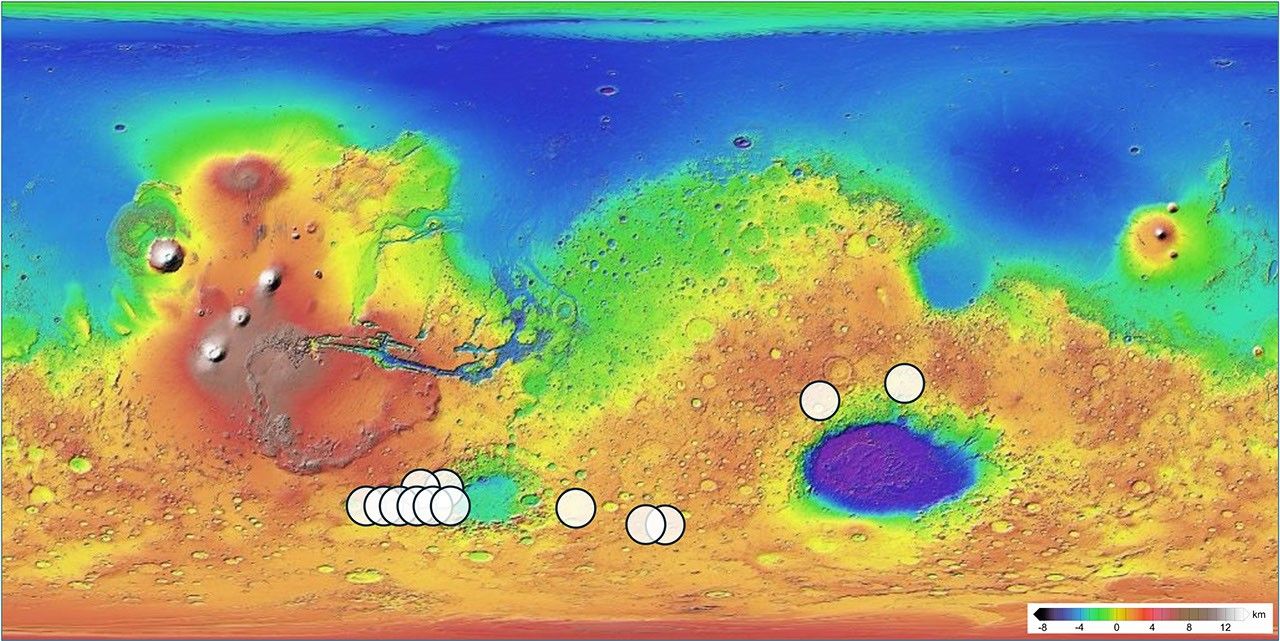
Map Showing Potential Origins of Martian Meteorite Teghaza 001

Description This global map of Mars shows 13 locations that match the mineralogy and chemistry of Teghaza 001, one of the most ancient Marti

NASA · 14h ago
Article

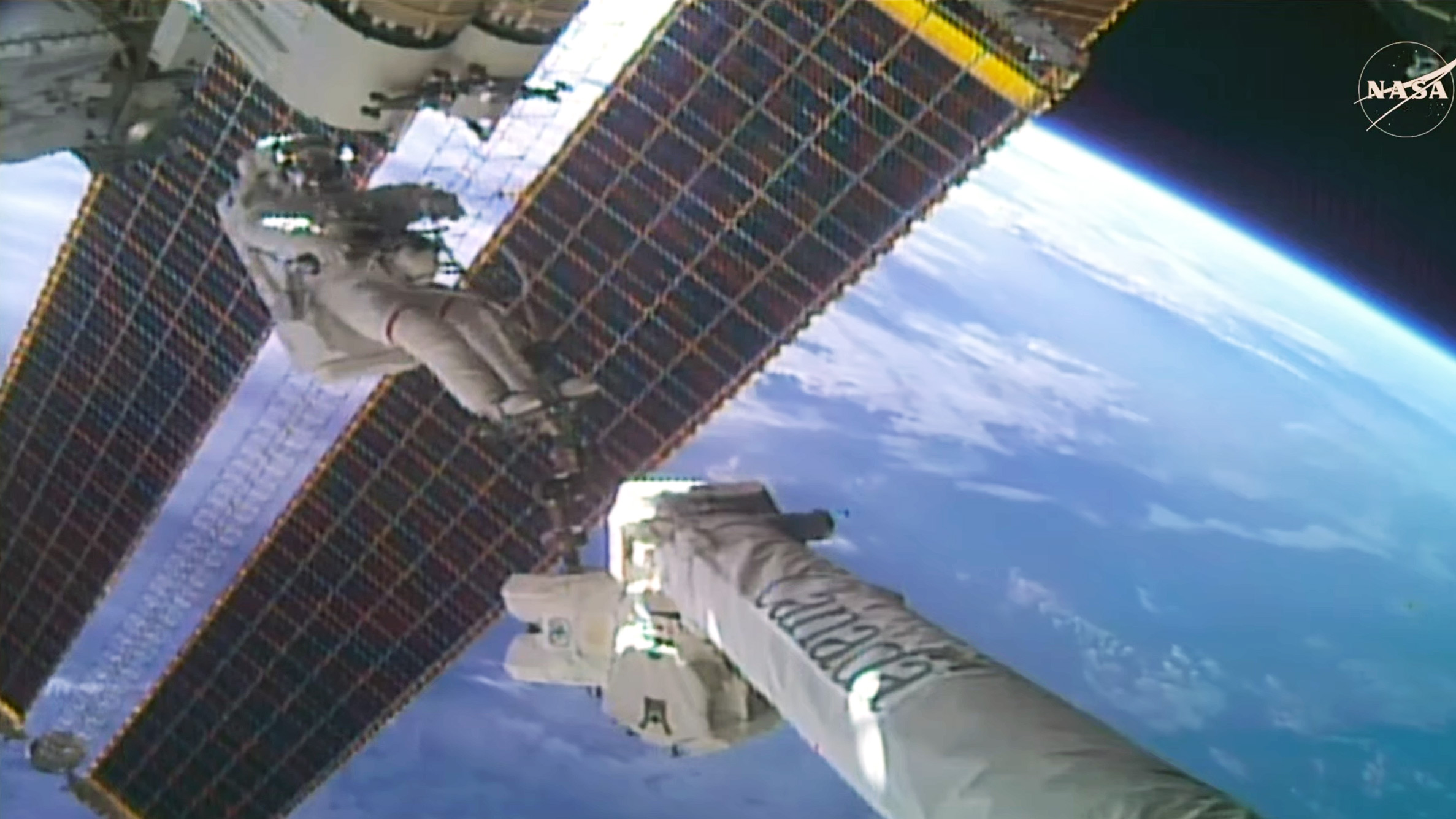
As it happened: spacewalkers install new solar array

NASA astronaut Anil Menon and Canadian Space Agency astronaut Joshua Kutryk are performing a spacewalk to install the 7th of 8 ISS Roll-Out

Spaceflight Now · 14h ago
Article

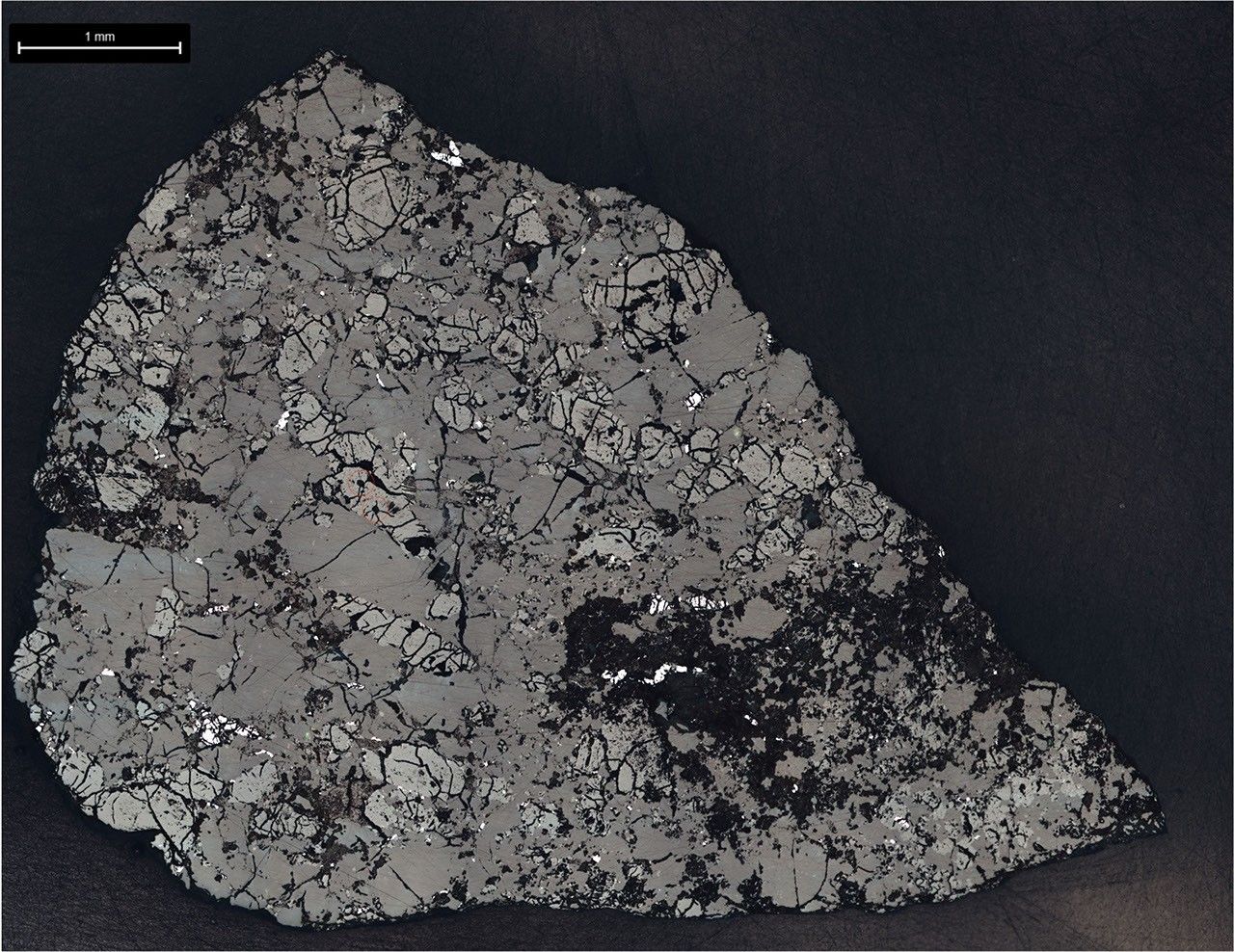
Slice of Martian Meteorite Teghaza 001

Description This slice of Teghaza 001, one of the most ancient Martian meteorites ever found on Earth, was used to determine the age of the

NASA · 14h ago
Article

Spacewalking astronauts unfurl upgraded solar array to boost space station power

NASA astronaut Anil Menon and Canadian Space Agency astronaut Joshua Kutryk successfully installed and unfurled the seventh of eight new sol

Spaceflight Now · 16h ago
Article

Halloween Aboard the International Space Station

Although no ghouls, goblins, or trick-or-treaters come knocking at the International Space Station’s front hatch, crew members aboard the or

NASA · 16h ago
Article

Blue Origin attempts end of year return and eyes Artemis IV selection

With Blue Origin moving towards a potential return to flight by late 2026, NASA has… The post Blue Origin attempts end of year return and ey

NASASpaceflight · 17h ago
Blog / Vlog

Spacewalkers Install Roll-Out Solar Arrays for Power Generation

NASA astronaut Anil Menon and CSA (Canadian Space Agency) astronaut Joshua Kutryk concluded their spacewalkNASA astronaut Anil Menon and CSA

NASA · 19h ago
Get involved

STEM competitions & hackathons

Open windows across aerospace, robotics, coding, and science. Cards disappear automatically when the application deadline passes.

Help shape STELLUN

Suggestions & feedback

Found something wrong, or want a feature added? Tell us directly, it goes straight to the team building this.